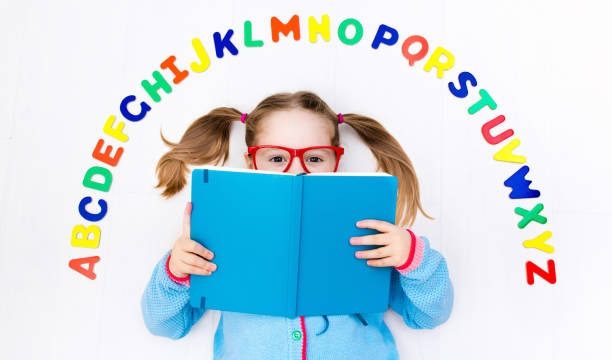
In a world where stories come alive through the pages of books, the journey to becoming a strong reader is a beautiful adventure.
For many children, this journey begins with phonics—a fundamental approach that helps unlock the door to literacy.
Phonics, the method of teaching reading by correlating sounds with letters or groups of letters, serves as a guiding light, illuminating the path to reading fluency and comprehension.
Understanding the role of phonics in building strong readers can help us appreciate the nuances of literacy development.
It’s not just about recognizing letters or sounds; it’s about fostering a love for reading that can last a lifetime. When children learn to decode words through phonics, they gain confidence in their reading abilities, allowing them to explore new worlds through literature.
At its core, phonics is about connecting sounds to letters. This connection is the foundation for reading. Imagine a child, perhaps sitting in a cozy corner of a sunlit room, surrounded by colorful picture books. As they begin to sound out words, piece by piece, they’re not just learning to read; they’re building a bridge to understanding. Each sound they master is like a stepping stone, leading them closer to the joy of storytelling.
The beauty of phonics lies in its simplicity and effectiveness. As children learn to recognize the sounds of letters, they also begin to blend those sounds into words. This blending process is a critical skill that enhances their ability to read fluently. When a child encounters a new word, like “cat,” they can break it down into its individual sounds—/k/, /a/, /t/—and blend them together. This method empowers them, transforming what once seemed daunting into something manageable.
A gentle shift toward balance is often needed in our approach to teaching reading. While phonics lays the groundwork, it’s essential to pair it with other literacy skills. Comprehension, vocabulary, and a love for storytelling all intertwine with phonics, creating a holistic reading experience. When children can decode words, they can also begin to understand the meaning behind those words. This connection between phonics and comprehension is crucial for developing strong readers.
Imagining a child’s journey through reading, we can see how phonics can nurture curiosity. Picture a young reader who has just learned how to sound out words. With newfound confidence, they reach for a book that captures their interest. As they read, they encounter new vocabulary and ideas, sparking their imagination. Phonics doesn’t just teach them how to read; it opens doors to exploration and discovery.
Building strong readers also involves creating a supportive environment. Reading together as a family can foster a love for books that complements phonics instruction. When parents and caregivers share stories, discuss characters, and ask questions, they engage children in a dialogue that enhances comprehension. This interactive experience is a beautiful way to reinforce the skills learned through phonics while nurturing a lifelong love for reading.
The journey to becoming a strong reader is not just about individual progress; it’s also about community. Schools and libraries play an essential role in this process by providing resources and support for children and families. Programs that focus on phonics instruction can help bridge the gap for struggling readers. By creating a nurturing atmosphere, communities can encourage children to embrace reading, making it a joyous part of their lives.
As children grow and develop their reading skills, they begin to discover the power of words. They learn that reading can transport them to different places, introduce them to new ideas, and connect them with others. Phonics, in this context, becomes a tool for exploration. The ability to read opens up a world of possibilities, from understanding complex narratives to enjoying poetry and beyond.
It’s also important to recognize that every child’s journey is unique. Some may grasp phonics quickly, while others may take a bit longer to master the skills. Patience and encouragement are vital during this process. Celebrating small victories, whether it’s sounding out a new word or finishing a book, can build a child’s confidence and enthusiasm for reading.
In today’s fast-paced world, where screens often dominate attention, fostering a love for reading through phonics is more important than ever. Encouraging children to step away from devices and dive into the pages of a book can cultivate focus and imagination. By providing access to a variety of reading materials and creating a cozy reading nook at home, families can create an inviting atmosphere for literacy.
As we think about the future, we can envision a world where strong readers thrive. Phonics is a key component of this vision, offering children the skills they need to succeed. When we invest in our children’s literacy development, we’re not just teaching them how to read; we’re giving them the tools to express themselves, connect with others, and navigate the complexities of life.
In the end, the journey of learning to read is about more than just mastering phonics. It’s about cultivating a love for literature, encouraging curiosity, and building confidence. As children learn to decode words and understand their meanings, they embark on a lifelong adventure filled with stories, ideas, and connections. Phonics may provide the foundation, but it is the love of reading that truly enriches their lives.
So, let us nurture our young readers with kindness and patience. Let us celebrate the small steps they take on their reading journey, knowing that each sound they master brings them closer to a world of imagination and understanding. With phonics as their guide, the possibilities for exploration are endless, and the joy of reading awaits just around the corner.