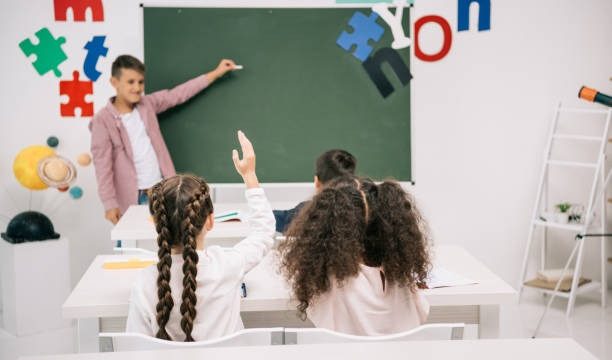
In the vibrant world of middle school, students embark on a journey filled with discovery, growth, and sometimes, challenges.
This transformative period often shapes their academic paths and personal identities.
With the right tools, however, middle schoolers can thrive, and one particularly promising approach is adaptive learning.
Adaptive learning is a personalized educational method that tailors lessons to meet the unique needs of each student.
Unlike traditional teaching methods, which often adopt a one-size-fits-all approach, adaptive learning recognizes that every child learns differently. This recognition is especially important during the middle school years when students are not only grappling with more complex subjects but also navigating the social dynamics of adolescence.
Imagine a classroom where the pace of learning is determined by the students themselves. In this environment, if a student struggles with a particular math concept, the curriculum adjusts automatically, providing additional resources and exercises tailored to that student’s level. Conversely, if another student excels in reading comprehension, they can advance to more challenging texts without feeling held back. This fluidity fosters a sense of autonomy and confidence, allowing students to take charge of their own learning journeys.
One of the most significant benefits of adaptive learning is its ability to identify gaps in knowledge. Middle school can be a time of significant change, and students may find themselves facing subjects they haven’t encountered before. Adaptive learning platforms often include assessments that pinpoint these gaps, allowing educators to provide targeted support. This not only helps in addressing immediate academic needs but also builds a strong foundation for future learning.
A gentle shift toward understanding the emotional landscape of learning is equally important. Middle school students experience a whirlwind of emotions, from excitement to anxiety. Adaptive learning can help ease some of these pressures by allowing students to learn at their own pace and style. When students feel supported in their learning, they are more likely to engage with the material and develop a positive attitude toward education.
Moreover, adaptive learning environments often incorporate technology, which can be a powerful ally. Interactive software and educational apps can make learning more engaging. When students are presented with visually stimulating content and interactive quizzes, they are more inclined to participate actively. This engagement can lead to deeper understanding and retention of information, setting the stage for academic success.
As educators and parents, fostering a supportive environment is essential. Encouraging students to embrace their individual learning paths can cultivate resilience. It’s important to remind them that struggling with a concept doesn’t equate to failure; rather, it’s a natural part of the learning process. This mindset can be transformative, especially in a time when social pressures are high and self-esteem can be fragile.
Another aspect to consider is the collaboration between teachers and parents in an adaptive learning framework. Open communication can bridge the gap between school and home, ensuring that students receive consistent support. When parents are aware of their child’s learning style and progress, they can reinforce positive habits at home. This partnership not only enhances a child’s learning experience but also fosters a sense of community, which is invaluable during the often tumultuous middle school years.
As we delve deeper into the concept of adaptive learning, it’s essential to recognize the importance of feedback. Regular, constructive feedback helps students understand their progress and areas for improvement. In an adaptive learning environment, this feedback can be immediate and specific, allowing for timely adjustments. When students know where they stand and what steps they can take to improve, they are more likely to stay motivated and engaged.
For many students, the transition to middle school can feel overwhelming. The combination of new subjects, increased responsibilities, and social dynamics can lead to stress. Adaptive learning provides a buffer against this stress by allowing students to progress at their own pace. When they have the freedom to explore topics that interest them or spend extra time on challenging subjects, it can ease the pressure. This sense of control is crucial for developing a positive relationship with learning.
Looking ahead, the future of education seems promising with the continued integration of adaptive learning methodologies. As technology evolves, so do the tools available to educators and students. Innovations in artificial intelligence and machine learning can enhance the personalization of educational experiences, making them even more effective.
Ultimately, the goal of adaptive learning is not just to improve academic performance but to foster a lifelong love of learning. When students feel understood and valued in their educational journey, they are more likely to embrace challenges and pursue knowledge beyond the classroom walls. This holistic approach to education can empower students to become self-directed learners, equipped with the skills they need to navigate an ever-changing world.
In conclusion, adaptive learning holds the key to unlocking the potential of middle school students. By recognizing and embracing individual learning styles, we can create an environment that nurtures academic success and personal growth. As we support our young learners through these formative years, let’s celebrate their unique journeys and encourage them to explore the world of knowledge with curiosity and confidence. Through adaptive learning, we can pave the way for a brighter, more inclusive future in education.