In the ever-evolving landscape of education, adaptive learning has emerged as a transformative approach for teachers and educators.
This method recognizes that each student possesses unique learning needs and paces, encouraging a more personalized educational experience.
For educators, embracing adaptive learning can feel like stepping into a new realm of possibility, where the focus shifts from a one-size-fits-all model to a more tailored approach that nurtures individual growth.
As educators, we often find ourselves navigating a myriad of challenges, from varying student abilities to diverse learning styles. The beauty of adaptive learning is that it offers strategies to address these challenges with grace and effectiveness. By integrating technology and data-driven insights, educators can create an environment that supports each student’s journey, fostering a sense of belonging and motivation.
The heart of adaptive learning lies in its ability to adjust content and teaching methods based on the individual needs of students. Imagine a classroom where lessons evolve in real time, responding to students’ progress and engagement levels. This dynamic approach not only enhances understanding but also encourages students to take ownership of their learning. As teachers, we play a pivotal role in guiding this process, providing support and encouragement as our students navigate their unique paths.
Creating a nurturing atmosphere is essential for the success of adaptive learning. When students feel safe, valued, and understood, they are more likely to engage deeply with the material. Educators can cultivate this environment by fostering open communication and building strong relationships with their students. Taking the time to understand each learner’s strengths, interests, and areas for improvement can lead to more meaningful interactions and a deeper connection to the curriculum.
In this journey toward adaptive learning, technology serves as a powerful ally. With a plethora of educational tools and platforms available, teachers can harness data analytics to gain insights into student performance. These insights can help educators identify which concepts are resonating with students and which ones may need further exploration. By utilizing these tools, teachers can adapt their instruction in real time, providing immediate feedback and support that aligns with each student’s needs.
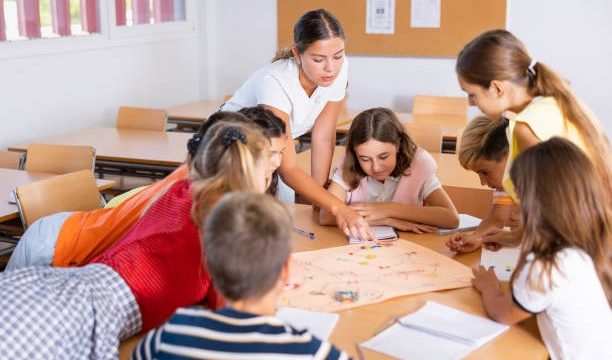
A small shift toward balance can also enhance the adaptive learning experience. While technology is a remarkable resource, it’s important to remember the value of human connection. Face-to-face interactions, discussions, and collaborative activities remain vital components of the learning process. By blending technology with traditional teaching methods, educators can create a rich tapestry of learning experiences that cater to diverse needs while maintaining a sense of community within the classroom.
As we delve deeper into adaptive learning, it’s important to acknowledge the role of assessment. Traditional assessments often fall short in capturing the nuances of student understanding. In contrast, adaptive assessments can provide a clearer picture of where students stand in their learning journey. By employing formative assessments that focus on growth rather than mere performance, educators can celebrate progress and foster a growth mindset among their students.
Incorporating adaptive learning strategies can also empower students to become more self-directed learners. When they are given the tools to assess their own understanding and progress, students can take charge of their education. This empowerment not only builds confidence but also encourages lifelong learning habits. As educators, our role is to guide and support this process, providing the right resources and encouragement to help students thrive.
One of the most rewarding aspects of adaptive learning is witnessing the transformation in student engagement. When lessons are tailored to meet individual needs, students are more likely to feel invested in their learning. They become active participants in the educational process, exploring concepts that resonate with their interests and aspirations. This shift in engagement can lead to improved academic performance and a deeper appreciation for the joy of learning.
As educators embark on this journey, it’s crucial to approach adaptive learning with a spirit of collaboration. Engaging with fellow educators, sharing insights, and collaborating on best practices can enhance the effectiveness of adaptive strategies. By creating a supportive community, teachers can learn from one another’s experiences and continue to refine their approaches to meet the ever-changing needs of their students.
While the concept of adaptive learning may seem daunting at first, it’s important to remember that it’s a gradual process. Small, intentional changes can lead to significant impacts over time. Embracing this mindset allows educators to experiment with new techniques, reflect on their effectiveness, and adjust as needed. This journey is not about perfection; it’s about progress and growth, both for educators and students.
As we continue to explore the potential of adaptive learning, let’s keep our focus on the ultimate goal: nurturing curious, capable learners who are prepared for the challenges of the future. By fostering an environment that values individuality, promotes engagement, and harnesses the power of technology, we can create a classroom where every student feels empowered to reach their full potential.
In the end, adaptive learning is not just a method; it’s a philosophy that celebrates the unique journey of each student. As educators, we have the privilege of guiding our students through this journey, creating a rich tapestry of learning experiences that honor their individuality. By embracing adaptive learning, we not only enhance our teaching practices but also contribute to a more inclusive and inspiring educational landscape. It’s a journey worth taking, one that promises to enrich both our students and ourselves as lifelong learners.